Recycled Yarn: The Future of Sustainable Textiles

Recycled yarn is an innovative solution shaping the sustainable future of the textile industry. This eco-friendly material contributes to the conservation of natural resources by transforming textile waste into valuable raw materials. As Verdefil, we take a pioneering role in recycled yarn production, working to leave a cleaner world for future generations.

What Is Recycled Yarn and How Is It Produced?

How Does the Recycling Process Work?

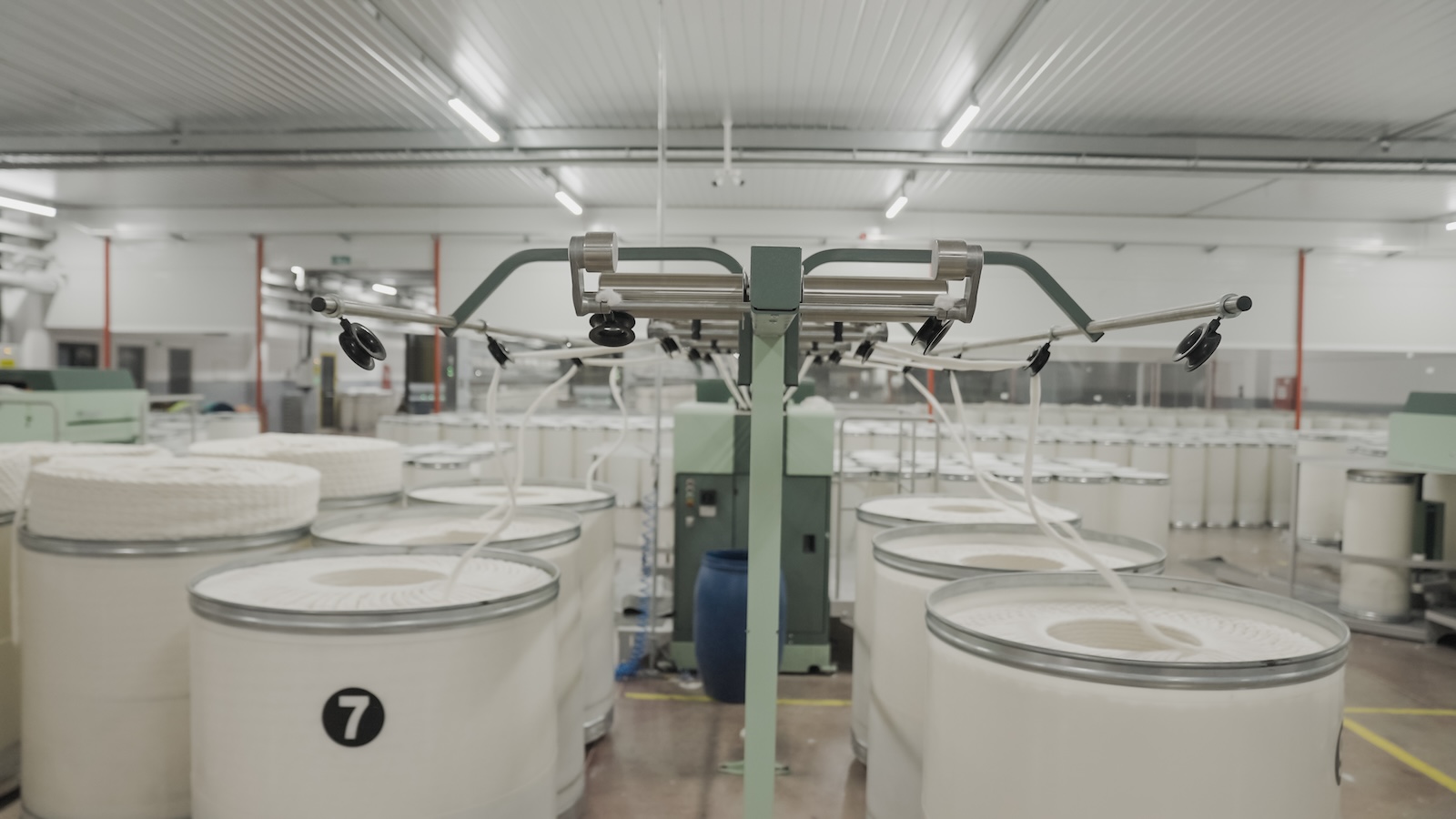
Recycled yarn production is a fascinating process where textile waste finds new life. This process, much like a butterfly emerging from its cocoon, allows old and used textiles to transform into a brand-new form. In the first step, collected textile waste is sorted by color and material type. This sorting is carried out with the meticulous care of an archaeologist examining historical artifacts.
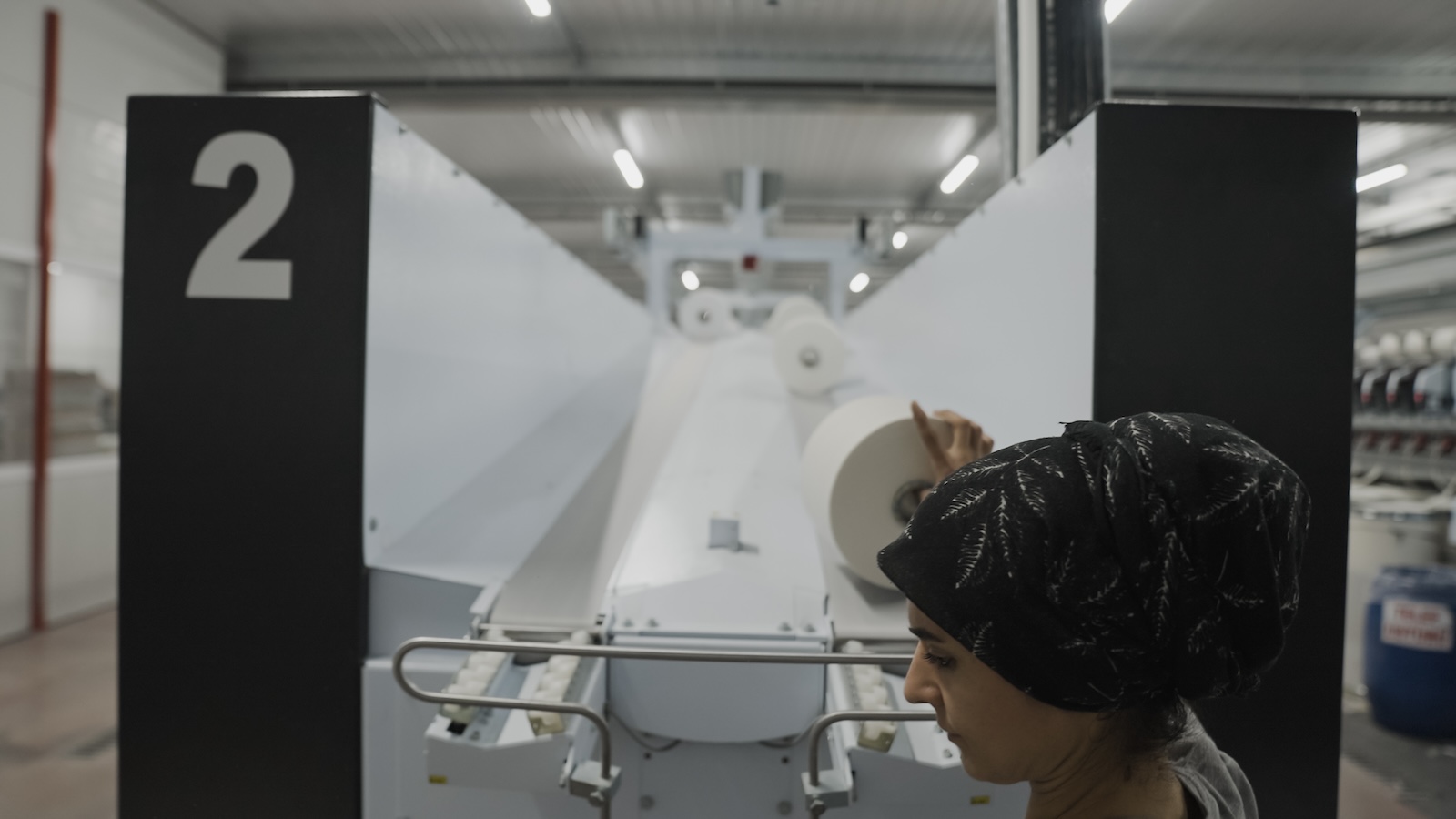
Next, the sorted materials are broken down into fibers in specialized machines. This stage is similar to a chef finely chopping ingredients. The resulting fibers are purified through chemical processes and prepared for new yarn production. Finally, these fibers are processed in modern spinning machines and turned into high-quality recycled yarn. The process is, much like a conductor harmonizing different instruments, a perfect symphony of technology and expertise.

Yarn CountDescription
Ne 8/1Thick-structured, high-strength yarn. Generally used in heavy fabrics and products requiring durability.
Ne 9/1A thick and full-bodied yarn. Preferred for sturdy products such as bags and towels.
Ne 10/1Medium-thickness yarn with a durable structure. Commonly used in knitted fabrics.
Ne 12/1A slightly finer yarn suitable for lightweight and flexible applications.
Ne 14/1A versatile, medium-fine yarn suitable for apparel and home textiles.
Ne 16/1Has a finer and smoother structure. Used in t-shirts, underwear, and similar products.
Ne 18/1A fine yarn offering flexible use. Commonly used in lightweight fabric production.
Ne 20/1One of the most widely used yarns in the textile industry. Ideal for flexible, comfortable, and lightweight fabrics.
Ne 24/1Finer and lighter than Ne 20/1. Used in soft-textured products.
Ne 26/1Preferred in high-quality knitted fabrics thanks to its fine structure.
Ne 28/1A quality yarn type preferred for finer, smoother, and softer fabrics.
Ne 30/1Very fine and smooth structure. Used in lightweight, flowing, high-quality fabrics.

Which Materials Are Used?

The materials used in recycled yarn production reflect the wide spectrum of the textile industry. The main materials used include:

  • Cotton textile waste
  • Synthetic fabric waste such as polyester
  • Denim and jeans products
  • T-shirt and other knitted fabric waste

Each of these materials plays a different role in recycled yarn production. For example, cotton waste is ideal for producing soft and breathable yarns, while polyester waste is used to obtain durable and quick-drying yarns. This variety, much like the colors on a painter's palette, allows us to produce yarns with different properties.

Protect both your business and the environment with Verdefil's recycled yarns. Get in touch with us today to take advantage of our high quality and sustainability benefits. Our expert team is here to offer the most suitable solutions for your needs. Together, let's step into a greener future!

What Are the Advantages of Recycled Yarn?

What Are Its Environmental Impacts?

Recycled yarn production is a revolutionary step in terms of environmental sustainability. This innovative process reduces the consumption of natural resources while also significantly lowering the amount of waste. Research shows that recycled yarn production uses 20% less water and 60% less energy compared to traditional methods (Textile Exchange, 2023). These figures clearly demonstrate the positive environmental impact of recycled yarn.

In addition, recycled yarn production contributes to reducing greenhouse gas emissions. According to one study, producing one ton of recycled polyester yarn results in 3 tons less CO2 emissions compared to virgin polyester (Environmental Science & Technology, 2022). This can be thought of as a giant tree filtering harmful gases released into the atmosphere. The wider use of recycled yarn has the potential to significantly reduce the carbon footprint of the textile industry.

What Are the Economic Benefits?

Recycled yarn production offers great advantages not only environmentally but also economically. First, the use of waste materials lowers raw material costs. This, much like solar panels on a home's roof reducing the electricity bill, provides significant savings in production costs. In addition, recycled yarn production contributes to the economy by creating new business lines and employment opportunities.

According to a 2023 World Bank report, the recycled yarn sector, evaluated within the framework of the circular economy model, has a 15% growth potential in the global textile industry over the next 5 years. This growth supports economic revitalization by encouraging new investments. Recycled yarn, like the oil that turns the wheels of the economy, supports sustainable growth.

In Which Areas Is Recycled Yarn Used?

Which Textile Products Is It Preferred In?

Recycled yarn finds a place in almost every area of the textile industry. This versatile material, much like a chameleon adapting to different environments, can be used in various textile products. For example:

  • Daily wear (t-shirts, pants, dresses)
  • Sportswear and activewear
  • Home textiles (bed sheets, towels, curtains)
  • Outerwear (coats, raincoats)
  • Accessories and bags

The fact that recycled yarn has such a wide range of uses demonstrates its flexibility and adaptability. For example, thanks to its moisture-wicking properties, it is ideal for producing sweat-resistant fabrics in sportswear. At the same time, thanks to its soft texture, it is preferred for comfortable underwear products. This versatility makes recycled yarn the joker card of the textile industry.

What Are the Industrial Use Areas?

Recycled yarn is used not only in apparel and home textiles but also in various industrial fields. These uses demonstrate just how versatile recycled yarn is. Some important industrial use areas include:

  • Automotive sector (vehicle interior upholstery, seat covers)
  • Construction sector (insulation materials, geotextiles)
  • Medical textiles (surgical gowns, bandages)
  • Filtration systems
  • Packaging industry

For example, in the automotive sector, fabrics produced from recycled yarn are used in vehicle interior upholstery, contributing to sustainability while delivering high performance. In the construction sector, geotextiles produced from recycled yarn are used in soil stabilization and erosion control. These applications show that recycled yarn is not limited to the fashion industry but is also an important part of industrial innovation.

What Is Verdefil's Expertise in Recycled Yarn Production?

What Are Our Quality Standards?

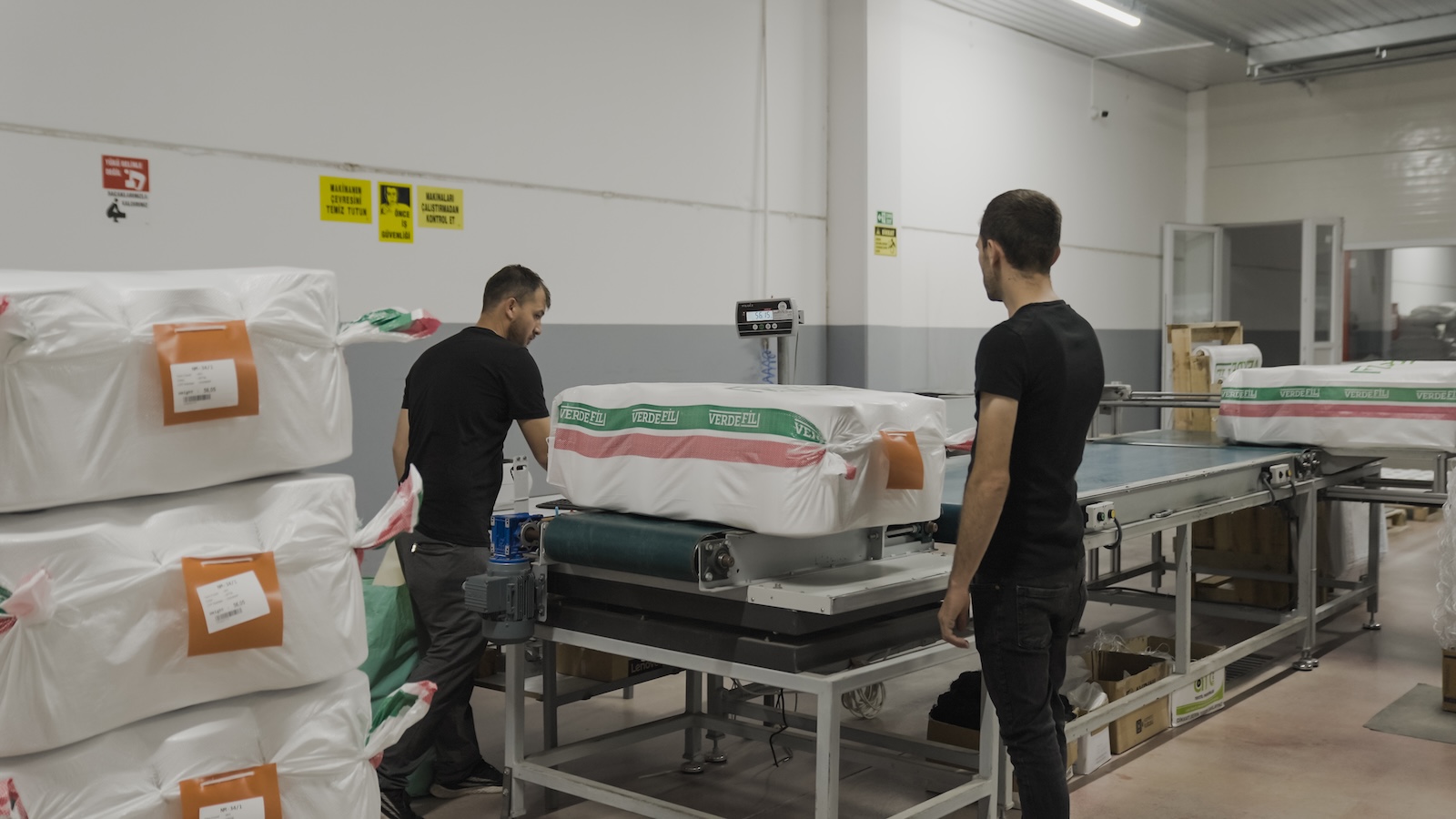
As Verdefil, we adopt the highest quality standards in recycled yarn production. Our quality control process covers every stage from the moment raw materials enter the factory to the shipment of the final product. This process operates like a mechanism running with the precision of a watchmaker. For example, in every batch of yarn production, we test critical parameters such as durability, color fastness, and evenness. Our quality standards comply with international norms. Our ISO 9001 quality management system certificate guarantees the continuous improvement of our production processes. We take pride in the fact that our products do not contain substances harmful to human health or the environment.

What Are Our Sustainability Goals?

As Verdefil, our sustainability vision is not only product-focused but covers all our business processes. We aim to be a carbon-neutral company by 2030. In line with this goal, we are developing projects that increase energy efficiency and investing in renewable energy sources. For example, the solar panels installed on our factory roof meet 40% of our energy needs. We are also taking important steps in water management. We recycle and reuse 80% of the water used in the production process. This means an annual saving of approximately 100 million liters of water. We also observe sustainability criteria in our supply chain. 90% of our suppliers hold sustainability certificates, and we aim to raise this rate to 100%.

Why Should You Choose Verdefil?

Verdefil is an industry leader in recycled yarn production. We make a difference with our innovative technologies, high quality standards, and customer-focused approach. Our commitment to sustainability is reflected not only in our products but in all our business processes. So, why should you choose us?

First, we stand out with our superior-quality products. Our recycled yarns exceed industry standards in terms of durability and performance. Our R&D team continuously develops new products and production techniques, allowing us to offer the most innovative solutions to our customers. For example, a special recycled yarn blend we developed last year attracted great interest in the outdoor apparel sector thanks to its water-resistant properties.

Second, the importance we place on customer satisfaction sets us apart from our competitors. We support our customers at every stage, from order through post-delivery. Our technical team provides training and consultancy services so that customers can use our products as efficiently as possible. Thanks to this approach, our customer loyalty runs 30% above the industry average.

Finally, our leadership in sustainability makes us a preferred choice. With our ongoing efforts to reduce our carbon footprint, our innovative practices for water and energy savings, and our social responsibility projects, we are cited as an example in the sector. By choosing Verdefil, you are not only buying a quality product but also contributing to a more sustainable future.

In conclusion, as Verdefil, we aim for excellence in recycled yarn production. With our principles of quality, innovation, and sustainability, we continue to shape the future of the textile industry. You are also invited to join us on this journey to build a better tomorrow for both your business and the planet.

Frequently Asked Questions

  • What is recycled yarn? Recycled yarn is an eco-friendly material produced by recycling textile waste back into yarn. These yarns help conserve natural resources without harming nature.
  • Is recycled yarn durable? Yes, recycled yarns demonstrate high durability thanks to modern production techniques. They can be comparable to virgin yarns and, in some cases, even offer superior durability.
  • How is recycled yarn produced? Recycled yarn production includes the stages of collecting, sorting, and breaking down textile waste, purifying it through chemical processes, and finally processing it on spinning machines.
  • What materials is recycled yarn made from? Recycled yarns are produced from various materials such as cotton textile waste, synthetic fabric waste like polyester, denim and jeans products, and t-shirt and other knitted fabric waste.
  • How does recycled yarn benefit the environment? Recycled yarn production reduces natural resource consumption, lowers waste, and decreases greenhouse gas emissions. This process provides significant benefits in terms of environmental sustainability.
  • What are the economic advantages of recycled yarn? Recycled yarn production lowers raw material costs and provides economic savings. It also contributes to the economy by creating new business lines and employment opportunities.
  • In which textile products is recycled yarn used? Recycled yarn can be used in a variety of textile products such as daily wear, sportswear, home textiles, outerwear, and accessories.
  • What are the industrial use areas of recycled yarn? Recycled yarn can be used in automotive upholstery, construction insulation materials, medical textiles, filtration systems, and the packaging industry.
  • Are recycled yarns harmful to human health? No, Verdefil's recycled yarns are certified by standards such as OEKO-TEX® Standard 100, confirming that they do not contain substances harmful to human health.
  • How are recycled yarns priced? Recycled yarn pricing is determined based on factors such as raw material costs, production process, yarn quality, and order quantity. In general, recycled yarns can be more affordable than virgin yarns.

Contact

Get in touch with us to share your suggestions, request quotes, and submit your inquiries.
ContactAbout
Address

Gediz Organize Sanayi Bölgesi
Menekşe Sok. No:3 43600
Gediz / Kütahya

‎+90 274 457 51 00 
linkedin facebook pinterest youtube rss twitter instagram facebook-blank rss-blank linkedin-blank pinterest youtube twitter instagram